Menu
Call 0422 167 115

By invitation

Test your art.
Represent your team.

Competing is optional — most members never do, and progress just fine. But if you want to find out what your jiu-jitsu looks like against a stranger, this is how you do it properly.

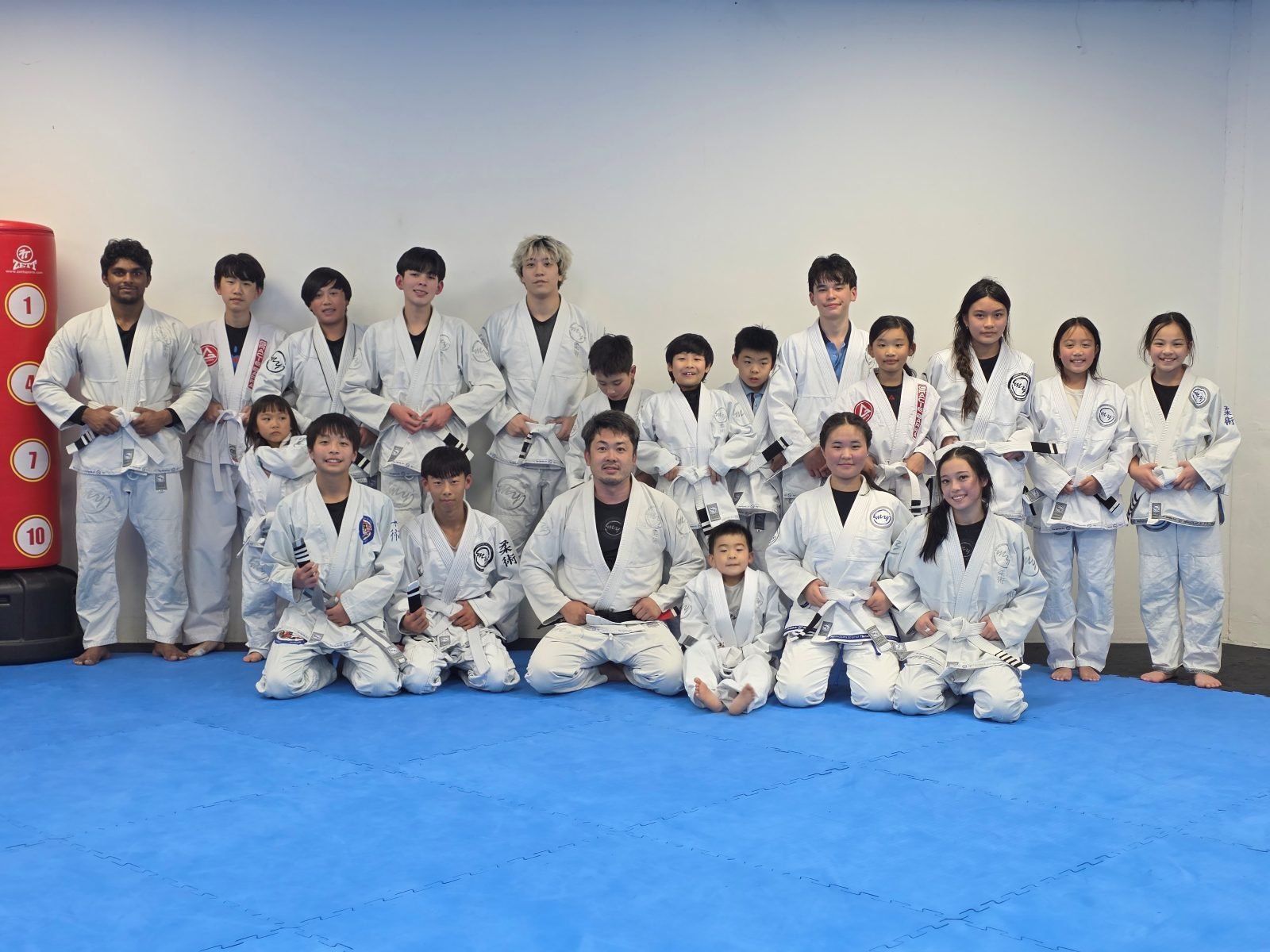
The whole academy gathered for a group photo on the mat
01

Tournament preparation

Not just harder rolling. Rounds under real time limits and real scoring, refereed restarts, and repetition of the two or three sequences you'll actually use.

The aim is a small, reliable game that holds up when you're exhausted — not a large collection of techniques you can only do fresh.

02

Where we compete

  • myBJJ inter-comps — free in-house events against the other myBJJ academies around Sydney, run throughout the year. The best possible first competition.
  • AJP Tour — the Abu Dhabi circuit's Australian events, gi and no-gi.
  • IBJJF — the sport's largest federation, including Pan Pacific events.
  • Local Sydney circuits — smaller, cheaper, lower-pressure days.
03

Team expectations

You don't sign up — a coach invites you once your training is consistent and your fundamentals hold up under pressure. Usually months of regular attendance, not a particular belt.

If you want to compete, say so early. Toshi would much rather know before an entry closes.

The process

How we prepare.

A camp runs backwards from the event date. Four stages, in this order.

Build the base

Six to eight weeks out. Volume up, intensity moderate. The boring part that decides how the last round of the day feels.

Match simulation

Four weeks out. Full-length rounds under competition rules, fresh partner each time. This is where nerves stop being a surprise.

Game plan

Two weeks out. One takedown, two passes, two submissions, and an answer for your three worst positions. Drilled until it's automatic.

Weight & recovery

Final week. Volume drops so you arrive fresh. Pick the division your body already lives near — sleep and food matter more than an extra round.

The deal

What we ask of competitors

Five things. None of them are about winning — that part isn't fully in your control.

  • Turn up consistently. Twice a week minimum, for the whole block.
  • Look after your partners. Hard rounds, controlled hands. They have jobs tomorrow.
  • Enter the right division. Honest about your belt and your weight. No sandbagging.
  • Compete the way you train. If it isn't reliable in the room, it won't appear on the day.
  • Shake hands either way. Not negotiable.
Call 0422 167 115